
Upcoming Smithsonian Environmental Research Center (SERC) webinars for September and October
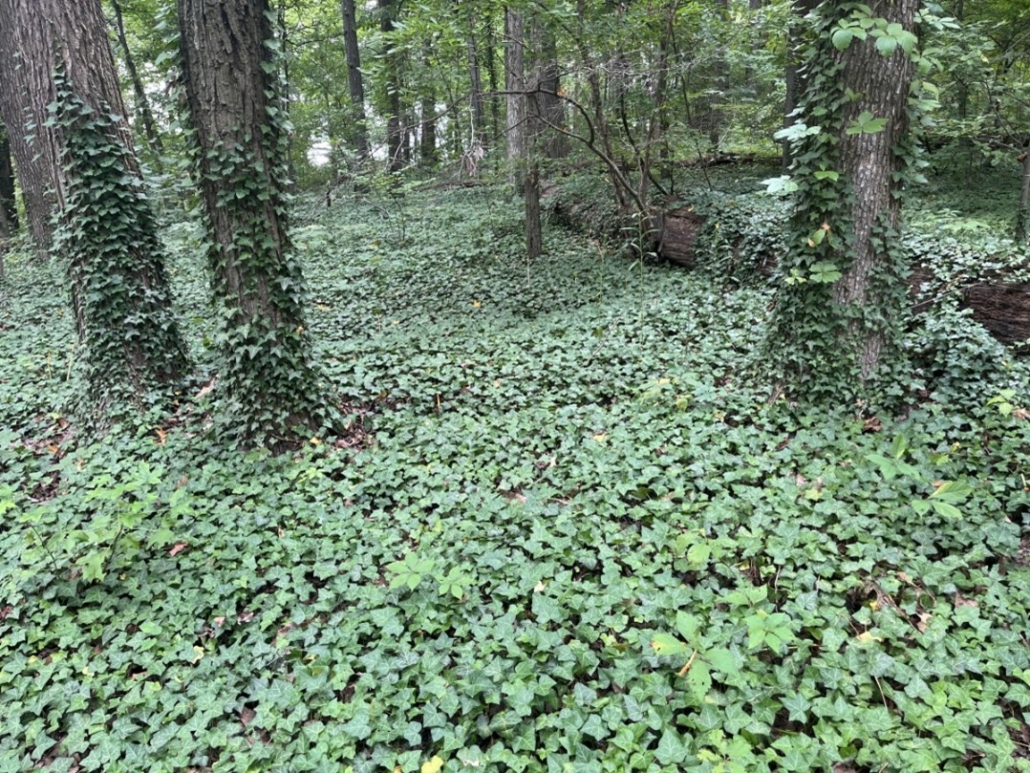
Photo courtesy of Nina Fisher – English ivy on a forest floor
These events is part of the Smithsonian Environmental Research Center (SERC)’s free evening science talks, and it will be recorded! Closed captions will be available during the live stream and on the recording. By signing up on the presentation’s Zoom link, you’ll be able to watch live and receive a link to the recording a few days after the live stream. SERC seeks to showcase a wide variety of topics and perspectives for its evening science talks. Views expressed during these talks belong to the individual speakers and not the Smithsonian.
Tuesday, September 15, 2026
-
7:00pm – 8:30pm
Speaker: Sam Droege, USGS Patuxent Wildlife Research Center
Maryland has about 450 species of bees. Like birds, some are common and some are rare and may need help from people to flourish. It turns out that many of the rare bees are highly specialized, meaning they gather pollen from only a one genus of plant, or sometimes from just one species of plant. If those plants are absent, then the bees are absent too. In this webinar, wildlife biologist Sam Droege will highlight some of the successes of bringing those bees back via plantings in yards and properties—including things local residents can do in their own backyards.
Tuesday, October 20, 2026
-
7:00pm – 8:30pm
Speakers Nina Fisher and Ginger Woolridge, Save Our Trees
Invasive vines—such as English ivy, bittersweet, wisteria, and Japanese honeysuckle–can stress and ultimately kill trees, causing serious ecosystem disruption. In our October webinar, Nina Fisher and Ginger Woolridge, two of the five co-founders of Save Our Trees in Maryland’s Anne Arundel County, will discuss the most prevalent invasive vines in Maryland. They’ll outline the harm they cause, how to remove them correctly and how to prevent them from returning, along with a discussion of some native species you can plant instead. They will also cover proper mulching technique, creation of “soft landings” for beneficial insects, and preparation of your yard for autumn and winter.
 Jerry Nissley
 Jerry Nissley