Archive for month: April, 2026
Service Opportunity – Meadowlark Botanical Gardens
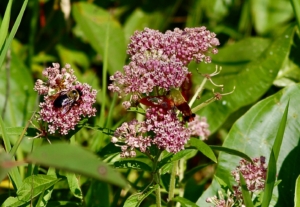
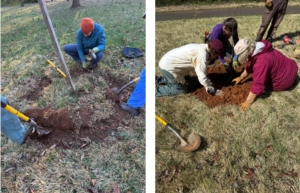
/0 Comments/in News and Updates, Volunteer Opportunities/by Mary Ann BushPhotos: Meadowlark Botanical Gardens-transplanting

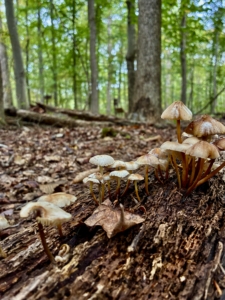
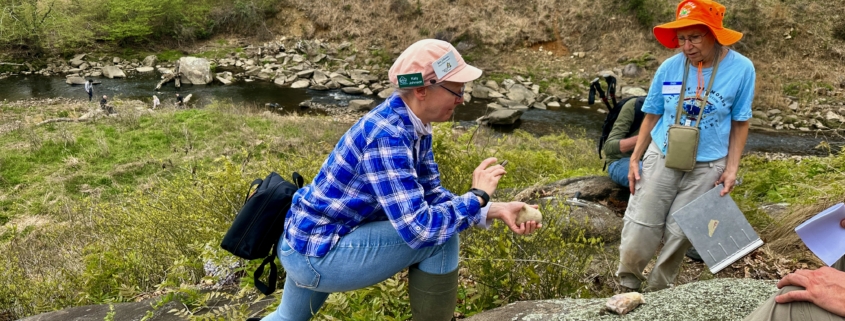
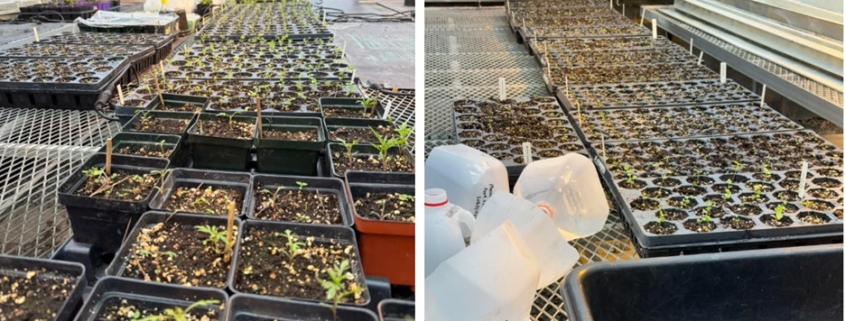
Photos Meadowlark Botanical Gardens-transplanting

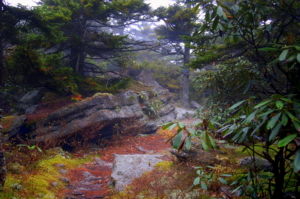
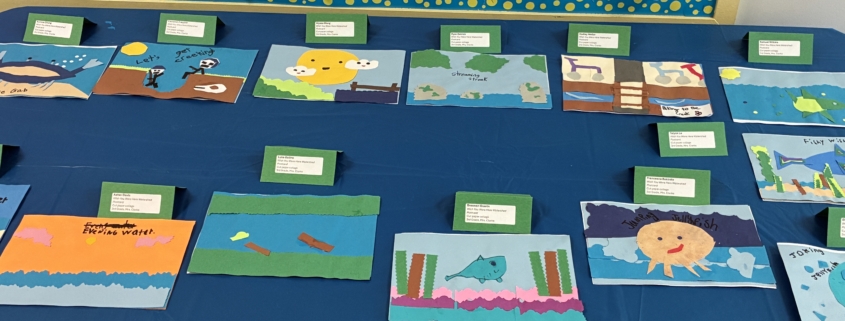
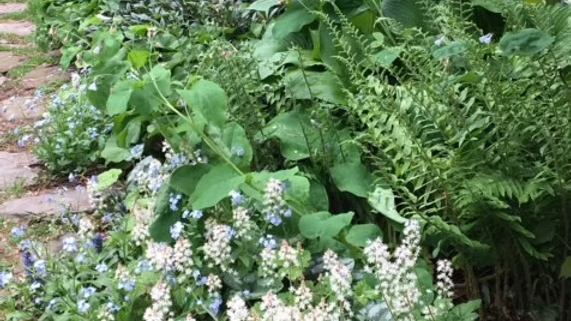
Photos Meadowlark Botanical Gardens-trails

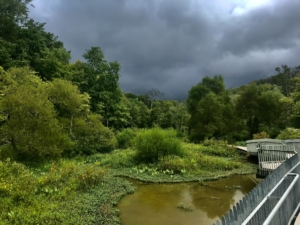
Photos Meadowlark Botanical Gardens-planting
Mark your calendar for the 2026 Fairfax Earth Day Festival April 25th!
/0 Comments/in Events, Learning Opportunities, News and Updates/by Mary Ann BushImage: Courtesy of Fairfax County Park Authority – 2026
Saturday, April 25, 2026
10:00 a.m. – 4:00 p.m.
Lake Fairfax Park
1400 Lake Fairfax Dr, Reston, VA 20190
Admission is FREE; Parking is $10 per car at the gate.
Cash and credit accepted.
Learn how you can make a positive impact on the planet through exciting, interactive activities and games
Enjoy:
- Outdoor Discovery Activities
- Interactive Nature Exhibits
- Earth Friendly Vendors
- Food Trucks
- Craft Beer Garden
- Local Bands and Live Entertainment
- Free Giveaways
- Furry Farm Friends
And so much more!
Springtime Bird Outing with the Bureau of Land Management and the NPS Potomac Heritage National Scenic Trail, April 25th
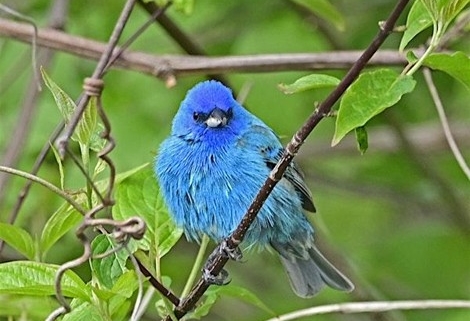
/0 Comments/in Learning Opportunities, News and Updates/by Mary Ann BushPhoto: Indigo Bunting, Randy Streufert – NVBA Photo Contest
Saturday, April 25, 2026
9:00 AM 11:00 AM
Meadwood Special Recreation Area
10702 Harley RoadLorton, VA, 22079United States (map)
FREE, but registration is requested
Join participants for a springtime bird walk with Northern Virginia Bird Alliance (NVBA) partners, National Park Service Potomac Heritage National Scenic Trail and the Bureau of Land Management, on National Go Birding Day! Together you will explore the diverse bird species that inhabit Meadowood Special Recreation Area. This event is also during the 2026 iNaturalist City Nature Challenge for those looking to participate in the observation period.
Plan to arrive by 9:00 A.M. to meet your guides at the Mustang Trailhead, located at 10702 Harley Road, Lorton, VA 22079. Together, everyone will hike and explore Mustang Meadow and the Thompson Creek Loop Trail. Please note that this outing will cover approximately one to three miles.
Getting There & Additional Site Information
Go south on I-95 to Exit 163 toward Lorton. Turn left onto Lorton Road at the end of the exit ramp. Pass under the second overpass and turn right onto Lorton Market Street (you will see Panera and Planet Fitness). Continue about 1.5 miles to the traffic light at Route 1. Go straight through the light (the road name changes to Gunston Road). In about 1.5 miles, you will pass the main entrance to Meadowood on the right. About half a mile later, you will see a large green pavilion—turn right onto Harley Road, then take the next right into the Mustang Trail Parking Lot.
The Meadowood Special Recreation Management Area (SRMA) offers 13.4 miles of hiking trails, 7 miles of horseback riding trails, and 6.6 miles of mountain biking trails. The site includes two fishing ponds (one of which is universally accessible), 800 acres of forest and meadow habitat, environmental education programs, equestrian facilities, geocaching opportunities, and birdwatching. Learn more on BLM’s Meadowood webpage.
The Bureau of Land Management (BLM) partners with Northern Virginia Bird Alliance (NVBA) volunteers to provide educational stewardship programs and guided events at Meadowood SRMA in Lorton, Virginia. For over 20 years, NVBA has supported the site through volunteer surveys, guided programs, stewardship projects, and educational activities focused on local species populations.
What should you bring?
Binoculars are helpful but not required for birding. There will be a limited number of loaner pairs available for participants to use. Guides will also be using the eBird app to record and report sightings during the outing; you are encouraged to download the free app and set up an account ahead of time. Please note that trails can be muddy after heavy rain or snow. Organizers recommend wearing comfortable, closed-toe shoes with good traction, especially for the boardwalk sections. Strollers are not permitted on the boardwalk.
Cancellation Policies for NVBA Bird Outings
Everyone’s safety and enjoyment are top priorities. Occasionally, there may be a need to postpone or cancel an outing to protect the well-being of participants or guides. Whenever possible, you will be notified at least 48 hours in advance; however, last-minute changes may be necessary. Outings may be canceled or postponed for reasons such as:
-
Unsafe air quality
-
Guide illness
-
Extreme weather, including: Lightning within 10 miles of the event location, temperatures above 90°, heavy thunderstorms, snow, or hail.
If an outing must be canceled on the day of the event, organizers will do their best to email all registered participants as soon as possible and/or post the cancellation on their website. Thank you for your understanding and flexibility!
Questions? Contact NVBA’s Community Engagement Coordinator, McKenzie, at mckenzie@nvbirdalliance.org.
Beyond the Spray: Protecting Wildlife and Biodiversity with Safer Mosquito Control Solutions,
/0 Comments/in Learning Opportunities, News and Updates/by Mary Ann BushImage: Courtesy of the Northern Virginia Bird Alliance – Beyond the Spray
Saturday, April 25, 2026
2:00 PM 3:00 PM
Mount Vernon Unitarian Church
1909 Windmill Ln Alexandria, VA 22307United States (map)
FREE, but registration is required
Liz Train, NVBA’s Fairfax County Wildlife Sanctuary Program Coordinator, will give a presentation on mosquito control solutions that avoid pesticides. She will review the research on harms to wildlife caused by broadcast spraying for mosquitoes and talk about alternative (and more effective) methods to reduce mosquito populations. NVBA urges homeowners to consider the long-term health of their yards, ecosystems, and communities, and “Say No to the Spray.” The Wildlife Sanctuary Program promotes healthy, pesticide-free habitats that nurture biodiversity from the soil up.
Your Yard Can Help Save Our Streams
/0 Comments/in Curated Resources, News and Updates/by Janet QuinnDense plantings of native plants capture stormwater
Article and photo by Plant NOVA Natives
Northern Virginia’s stream and river water quality is not great. Although agriculture is the largest contributor by far of nutrient and sediment loads in Virginia’s streams, rivers, and the Chesapeake Bay, urban and suburban stormwater runoff is the second largest and the fastest growing contributor to these pollutants.
This is a compelling call to action for all property owners in the Plant NOVA Natives community. Here are several strategies to reduce nutrient pollution and sediment loads in our waterways:
· Plant more native plants, especially where stormwater tends to flow. Their deep roots stabilize the soil and absorb far more harmful nutrients than turfgrass lawns. Notice where stormwater tends to flow on your property along swales or slopes and plant there first.
· Plant a street-side garden. Remember the underused strips of your property next to the street or sidewalk. These are ideal spots to add native plants, as their roots will catch stormwater overflow before it hits the pavement. Take care, however, to avoid underground lines, pipes, and overhead wires. And please consider whether your plantings impact people’s access to their cars, mailboxes, or safe crossing to the sidewalk. See Plant NOVA Natives’ comprehensive list of considerations for street-side gardens before you begin to dig.
· Use organic compost. Ditching commercial fertilizers and using organic compost is always the best option to enrich the soil. But if you must use fertilizers, choose only phosphorus free or low-phosphorus brands and use them sparingly.
· Pick up pet waste: Nitrogen, phosphorus, bacteria like E. coli and Salmonella, parasites, and ammonia can all be found in pet waste! While pet owners often remember to pick up pet waste in public areas, remember to do so on your own property as well for the sake of our streams and rivers.
· Compost and mulch yard waste: Composting and mulching are two strategies that effectively return nutrients to the soil and keep them out of stormwater. Grass clippings should be composted or mulched back into the lawn. Leaves are best left in non-lawn areas, but those that fall on the lawn can also be mulched or raked up and added to your compost pile. Keep lawn debris out of the street and away from storm drains.
· Create a rain garden: Rain gardens are landscaped areas constructed to capture and hold stormwater so that it seeps into the soil instead of running off our property. A link to a step by step guide on how to build a rain garden can be found here on the Plant NOVA Natives website.
· Use rain barrels: If you can capture water from downspouts and use it later to water your plants, this greatly reduces stormwater runoff caused by our roofs.
· Redirect downspouts to vegetated areas rather than paved impervious surfaces: When rain barrels are not an option, try to redirect downspout water flow away from sidewalks and driveways and towards the more vegetated areas of your property.
· Reduce impervious surfaces: Replacing asphalt with gravel or permeable pavers will capture and keep more stormwater on your property. But reducing the lawn by converting parts of it to native plant gardens is also highly effective. Turf grass, while green, behaves more like concrete when it comes to water absorption.
· Maintain septic systems: Regularly inspect and pump septic systems to prevent nutrient leaching into groundwater.
· Wash cars responsibly: Either use a commercial car wash or wash your car on grass to filter soapy water before it enters the ground.
Additional strategies to capture stormwater are discussed here on the Plant NOVA Natives website, along with a discussion of planting and maintaining riparian borders. Finally, here is a link to a Fairfax County Soil and Water Conservation District manual with instructions on how to build and maintain rainwater gardens, green roofs, and more.
Paleontology on the Trail
/0 Comments/in Curated Resources, News and Updates/by Janet QuinnDiatom microfossil fragments at Brownies Beach, Maryland, magnified under the author’s microscope (Bausch and Lomb Stereo Zoom Microscope DD740). Diatoms are unicellular organisms and can be in various shapes.
Article and photos by FMN Stephen Tzikas

Anthracite fern fossils from Minersville, PA, commonly found in discarded coal piles in Schuylkill county, PA.
Fossils can be found on many trails. I have collected them from coal deposits in Schuylkill County, PA, in the Calvert Cliffs, Maryland area as part of a Northern Virginia Community College (NVCC) course, and here in Fairfax County at Holmes Run Gorge. The excursion to Holmes Run Gorge was also a NVCC geology field trip. For the latter, upon reaching the main gorge area, we encountered fine examples of boulders of bedrock that were piled.
The larger, lighter gray, rounded boulders are mostly Occoquan granite. The flatter layered slab-like boulders with square corners are Indian Run rock of metamorphosed sandstone. In the main gorge area we discussed quartz rocks. Quartz is the last mineral in the Bowen reaction series, which is a geological concept detailing the specific order in which minerals crystallize from cooling magma. I collected a sample of cloudy white milky quartz, which is extremely resistant to weathering. The cloudiness of milky quartz comes from microscopic inclusions of fluids that have been encased in the crystal from the time the crystal first grew.
Our NVCC professor showed multiple examples of Quartzite with “slashes” (see photograph below).

Skolithos Linearis fossils at Holmes Run Gorge
High-energy waters transported these cobblestone size rocks originating from the Harper’s Ferry Antietam Formation. This Quartzite was originally Quartz sandstone that underwent metamorphic changes. Most noteworthy were the Tubeworm line boroughs (the “slashes”), about a half billion years old. Samples were numerous and I took one with a dark patch, probably of magnesium oxide on it.
The fossil in the Holmes Run Gorge photograph is the Skolithos Linearis in well-cemented quartzite of the early Antietam Formation, found in Pennsylvania, Maryland, and West Virginia. The formation is largely quartz sandstone with some quartzite and quartz schist. Quartzite is a hard, non-foliated metamorphic rock that was originally pure quartz sandstone. Sandstone is converted into quartzite through heating and pressure usually related to tectonic compression within orogenic belts. These are Virginia’s oldest fossils and date to the Cambrian Period. Skolithos is a common trace fossil ichnogenus that is, or was originally, an approximately vertical cylindrical burrow. It was produced by a variety of organisms in shallow marine environments and appear as lineated features in sedimentary rocks.