
Join the Christmas Bird Count – A great Citizen Science Opportunity! (Takes Place Between December 14th and January 5th)
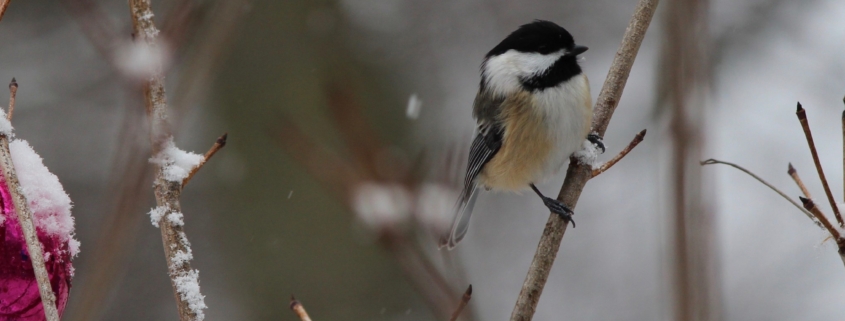
Photo: By Jeff Drake, Carolina Chickadee – From the Great Backyard Bird Count
The National Audubon Society’s Christmas Bird Count is one the longest running wildlife censuses in the world. The CBC began on Christmas day in 1900 as a way to conserve America’s natural heritage by counting birds rather than hunting them. This year is the 127th anniversary of that first CBC, when birders across the entire Western Hemisphere will get up early to count birds from December 14 to January 5, 2027.
Participation is free and open to bird enthusiasts of any level. There are two main ways to participate:
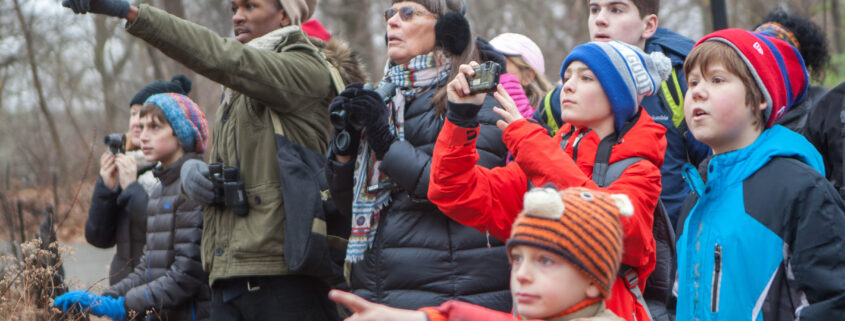
- Feeder Counts: Count all the birds you see or hear from your own backyard or local park at a stationary bird feeder within a CBC circle. No binoculars or hiking required, and you can participate with less time commitment.
- Field Counts: Survey an area (alone or in groups) during daylight hours and record all the birds you see or hear. Some counts also include nocturnal surveys after dark to record owls and other night-active species.
Visit the CBC Circle Finder to locate a count near you and register to participate. All skill levels are welcome!
Christmas Bird Count Circle Finder
Why Count Birds?
It’s a way for volunteers to monitor environmental trends in our local area, identify potential problems and share data with other organizations. Birds are the “canary in the coal mine” for our environment. Their health, abundance and distribution can signal trends in the health of the larger environment. NVBA has a long history of documenting bird life in our community and promoting conservation of birds and wildlife.
Resource managers of parks and other public lands rely on bird count long-term and geographically fixed data in their land management decisions. NVBA sends the count results to organizations—like the Fish and Wildlife Service, Bureau of Land Management, and the National Park Service—who use the information to better manage their natural resources.
Without habitat, we would have no birds. Eleven percent (11%) or 1,111 of the world’s species of birds are at risk. Two hundred could disappear within 20 years. The primary threat to birds is habitat loss. Since 1967, there’s been a 70% decline in common backyard birds because of habitat fragmentation or development.
Your counting counts! Even if you’ve never participated in a count or survey before, you’ll be matched with more experienced volunteers who can teach you the “tricks of the trade” and help you build new skills that will add to your bird-watching enjoyment. Plus your efforts will make a difference in helping to protect our local habitats.
The information above comes from the Northern Virginia Bird Alliance Website.